
Beyond the farm: How science is reshaping Africa’s agricultural future
From climate-resilient seeds and precision crop breeding to healthier soils, biological pest control and the revival of underutilized food crops, researchers across Africa are developing solutions to some of the continent’s most persistent agricultural challenges. But how much is changing, and what will it take to turn scientific progress into lasting impact for farmers?
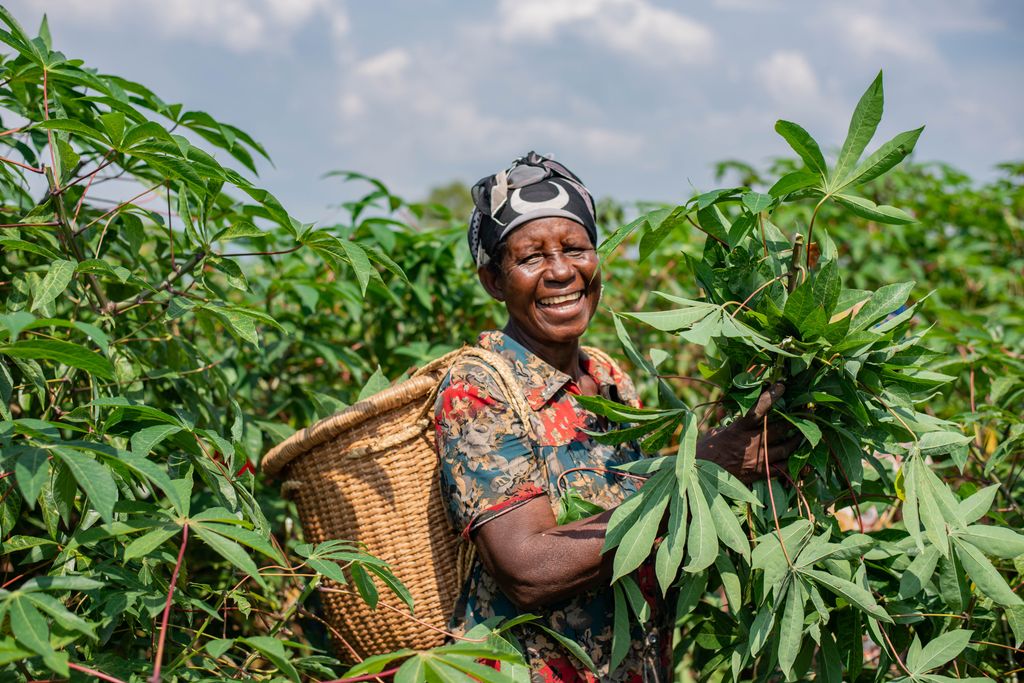
Farmer harvesting cassava leaves.
Agriculture in Africa is at a crossroads. The continent must produce more food, nourish a growing population, protect its natural resources and strengthen rural livelihoods while confronting increasingly unpredictable weather patterns, declining soil fertility, crop diseases, invasive pests and volatile input prices.
These challenges are not independent of one another. A drought can undermine the performance of a high-yielding seed variety. Poor soil can limit the benefits of fertilizer. An invasive pest can destroy a promising harvest. And a scientific discovery, however impressive in a laboratory, may have little practical value if farmers cannot afford it, access it or use it successfully.
This is where agricultural research becomes particularly important.
Across Africa, research institutions, universities, national agricultural research systems and international and regional research partnerships are investigating new ways to improve crop productivity, reduce losses, strengthen food and nutrition security, and help farmers adapt to climate change.
Some innovations are already being used in farming systems. Others are advancing through field trials, breeding programmes or regulatory processes. Still others represent promising directions whose commercial and farm-level impact remains to be demonstrated. Distinguishing among these stages remain critical to Africa’s agricultural transformation.
For Africa, agricultural transformation will not be a single research breakthrough or a new variety released at a launch event. It is the process through which reliable science evidence becomes a practical, affordable and widely accessible solution for millions of last mile users — smallholder farmers in remote communities.
Identifying the possibilities and challenges of research’s role in transforming agriculture remains one of several paths to a food-secure Africa.
Climate-resilient crops: Developing seeds for an unpredictable future
Few agricultural research priorities are more urgent than developing crops that can withstand the changing conditions in which African farmers must produce food.
For farmers who depend on rainfall, the difference between a successful harvest and a failed season may rest on a few weeks of delayed rain, an extended dry spell or temperatures that exceed what a crop can tolerate during flowering.
Maize, rice, beans, sorghum, cassava and bananas face different combinations of these stresses. Their responses also vary across the continent’s diverse environment.
The challenge for researchers is therefore not simply to develop varieties that yield more. It is to develop varieties with high yields under the conditions farmers are likely to encounter across these environments.
What researchers are discovering

A female scientist examining specimens under a microscope in a laboratory.
Plant breeders are using conventional crossing, field evaluation, molecular markers and genomic tools to identify and combine desirable traits. These may include drought tolerance, earlier maturity, heat tolerance, disease resistance and improved nutrient-use efficiency.
The work often involves testing hundreds or thousands of candidate lines across different environments. Researchers assess how plants perform under favourable conditions and when water, temperature, pests or diseases become limiting factors.
This approach is particularly important because resilience is rarely a single trait. A variety that survives drought may not necessarily resist a major disease, and one that performs well in a research station may respond differently in a farmer’s field.
Research published in 2025 examining climate-resilient crop varieties, productivity and household welfare in Nigeria adds an important economic dimension to this work. It investigates how resilient varieties relate not only to agricultural production but also to farmers’ welfare, including the uneven constraints faced by women and other resource-limited producers.
The broader climate research agenda also emphasizes that adaptation may sometimes require changing what farmers grow, rather than attempting to preserve the same crop in every location. Earlier CGIAR climate research identified areas where crops like maize, bananas and beans could face significant climate-related suitability challenges and highlighted the need for geographically specific adaptation strategies.
Why this matters for Africa
Climate-resilient varieties can help farmers manage production risks, protect household food supplies and potentially stabilize income. Earlier-maturing varieties, for example, may allow farmers in some environments to harvest before the end of a shortened rainy season.
But resilience must be defined locally. A variety developed for one agroecological zone may not perform equally well in another. Farmers also need access to quality seed, appropriate planting information, markets and complementary practices that protect soil moisture and fertility.
The discovery is not simply that crops can be improved. It is that crop improvement must increasingly anticipate a changing climate rather than rely on historical growing conditions.
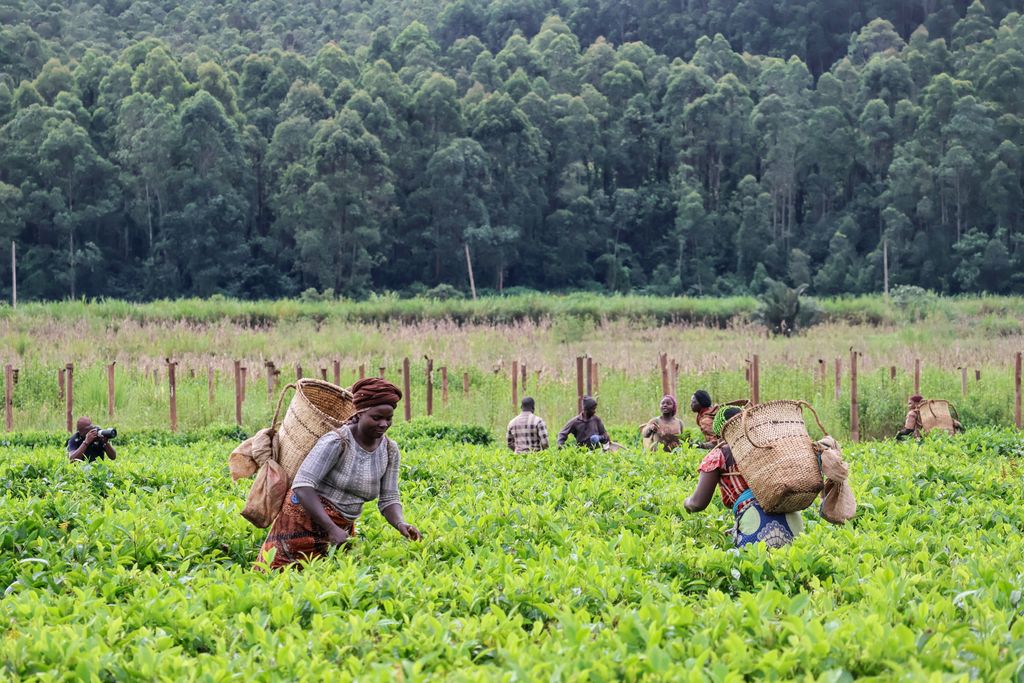
The next frontier is to make these improvements faster, more precise and responsive to the needs of farming communities — based on feedback from the end users.
Genome editing: Giving crop improvement a new level of precision
What if scientists could make a targeted change to a plant’s genetic code instead of relying entirely on the repeated crossing and selection of plants over several generations?
That is the promise of genome editing, including technologies such as CRISPR-Cas systems.
Conventional breeding remains essential to agricultural improvement. However, some crops present particularly difficult breeding challenges because of their complex genetics, long generation times or the way farmers propagate them. These include important African staples such as cassava, yam and banana.
Genome editing offers researchers additional ways to investigate and modify the genes associated with useful traits.
How the technology works
CRISPR-based tools can be programmed to target particular DNA sequences. Depending on the system and the application, researchers can modify the genetic makeup of the crop to address drought tolerance, biofortification or even pest and diseases.
This technology can help scientists investigate questions such as:
- Which genes influence susceptibility to a particular disease?
- Can a plant’s response to drought or heat be improved?
- Can nutritional characteristics be enhanced?
- Can undesirable traits be modified without losing valuable characteristics in an adapted crop?
The technology does not automatically deliver a successful new variety. Researchers must identify suitable targets, make the intended change, verify the resulting plants, test performance and assess unintended effects.
Africa’s research opportunity
The International Institute of Tropical Agriculture (IITA) has been advancing discussions and capacity development around genome editing for African crop improvement. In April 2025, CGIAR published an account of IITA’s work exploring how CRISPR and related approaches could support the improvement of tropical crops.
That work is significant because crop improvement is not about developing entirely new crops. It is about improving the crops on which millions of African households already depend.
Cassava, for instance, is a vital source of calories and income in many African countries. Yam has major cultural and economic importance in West Africa. Bananas and plantains contribute to food security and rural livelihoods across several regions.
Improving these crops requires scientific approaches that account for their biology, the diversity of local varieties and the qualities farmers and consumers value.
There is also a capacity-building dimension as strengthening national systems over time can have lasting impact on how food systems turn out in these countries. In September 2025, an IITA biotechnology workshop in Nairobi brought together young scientists from seven African countries for practical training in genome-editing techniques and associated laboratory methods.
While genome editing should not be confused with a ready-made solution, a successful laboratory modification is only one step in a longer process involving plant regeneration, genetic verification, field evaluation, safety assessment where applicable, regulation and seed-system development.
Regulatory approaches also differ among African countries, influencing which products can be tested, approved and commercialized.
The significance of genome editing is that it expands the tools available to African scientists. Its ultimate contribution will depend on whether those tools produce crops that farmers want, consumers accept and national systems can deliver.
Biological pest control: Fighting destructive insects with ecological science
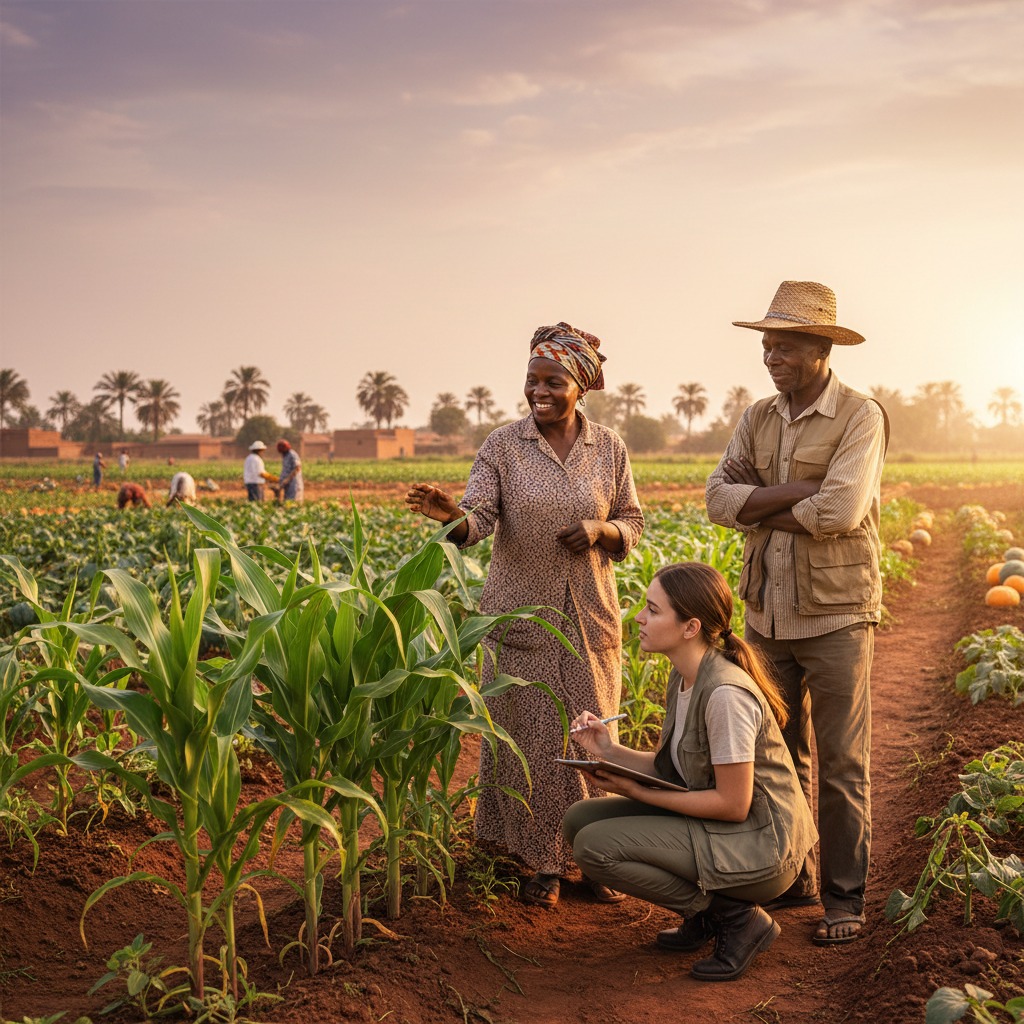
AI generated image of researcher on the field with farmers.
When fall armyworm was detected in Africa, it exposed the maize farming systems to invasive pests. The caterpillar spread rapidly across maize-growing regions, threatening harvests and encouraging greater reliance on chemical pesticides.
Nearly a decade later, the challenge remains significant. A review published in September 2026 describes the continuing threat from fall armyworm and examines how biological control, resistant crops, cultural practices and integrated pest management can contribute to more sustainable responses.
One of the most interesting African agricultural research developments in this area is the push–pull farming system.
The science behind push–pull
Developed through work involving the International Centre of Insect Physiology and Ecology (icipe) and Rothamsted Research, push–pull uses carefully selected companion plants to influence insect behaviour.
In the system, a repellent intercrop such as Desmodium discourages certain insect pests from settling on the main crop. An attractive border crop, such as Napier grass or suitable Brachiaria varieties, draws pests away from the maize.
The benefits extend beyond pest management. Desmodium can suppress the parasitic weed Striga, improve soil cover and contribute to soil fertility. Companion grasses can also provide valuable livestock fodder, linking crop production with animal husbandry.
The approach demonstrates how understanding the chemical signals emitted by plants and the behaviour of insects can be translated into a practical farming system.
What does the evidence show?
A 2018 study examined climate-adapted push–pull systems among 250 farmers in Kenya, Uganda and Tanzania. Compared with maize monocrop plots, the study reported:
- 82.7% fewer fall armyworm larvae per maize plant.
- 86.7% less plant damage per plot.
- 2.7 times higher maize grain yields in push–pull plots relative to monocrop plots.
These findings are encouraging because the technology addresses several constraints at once rather than treating pest damage in isolation.
However, push–pull is not a universal replacement for all pest-control methods. Its effectiveness depends on the crops, companion plants used, the local environment, the availability of planting materials, and appropriate farming practices.
The interesting discovery with this study is that agricultural protection does not always require a chemical response. By understanding ecological relationships, researchers can design farming systems in which plants themselves help protect food production.
For impact, three things are critical: access to companion-plant seeds, strengthen farmer training and establish which configurations work best across different African environments.
Soil science and precision nutrition: Helping farmers get more
The conversation about agricultural productivity often begins with seeds and inputs. Yet even the best seed cannot fulfil its potential in severely depleted soil.
Across Africa, low soil fertility, soil nutrient depletion, erosion and poor land management constrain crop production. Farmers may face a double burden: they cannot afford sufficient fertilizer, and the fertilizer they do apply may not be used efficiently.
A major shift in agricultural research will therefore involve moving away from treating fertilizer application as a uniform prescription and toward managing nutrients according to the specific needs of individual fields.
Why one fertilizer recommendation cannot fit every farm
Soils differ in their nutrient content, acidity, organic matter, water-holding capacity and ability to supply nutrients to plants. Even fields on the same farm can respond differently to the same treatment.
Site-specific nutrient recommendations from certain studies seek to address these differences. Researchers combine soil and crop information with field observations, yield targets and economic considerations to recommend more appropriate nutrient application.
The objective is not necessarily to use more fertilizer. It is to use nutrients more effectively, improving crop performance while reducing waste and unnecessary environmental impacts. The approach can incorporate mineral fertilizers, organic amendments, crop residues, legumes and other soil-management practices, depending on location conditions.
A 2026 analysis from the Food and Agriculture Organization’s Investment Centre highlighted the scale of the problem, reporting that soil degradation affects an estimated 65% of productive land globally. It also emphasized that decades of fertilizer subsidies and investment have achieved limited success in sustainably improving soil fertility and nutrient use.
A Nigerian study offers practical evidence
A particularly relevant example comes from northern Nigeria, where researchers evaluated site-specific nutrient management advice for smallholder maize farmers.
Published in 2023, the study used a three-year randomized controlled trial involving 792 farmers. The researchers evaluated a digital advisory tool that helped extension agents generate field-specific fertilizer recommendations. One treatment group also received information about maize price distributions and the uncertainty associated with expected returns from fertilizer use.
The findings were significant. The interventions increased adoption of recommended fertilizer-management practices by up to 116%. In the treatment that incorporated price information, nutrient application, yields and revenues increased by up to 18%. The researchers also reported improved nutrient-use efficiency and reduced greenhouse-gas emission intensity.
The 116% figure refers to the reported increase in adoption of good management practices, not an increase in crop yields.
The study illustrates an important principle: scientific recommendations can become more useful when agronomic knowledge is combined with information about prices and financial risk.
Beyond conventional fertilizer
Researchers are also investigating biofertilizers, beneficial soil microorganisms, biochar and other biological or material-based approaches to improving soil function.
A review published in August 2026 synthesized findings from 66 studies published between 2015 and 2025 on integrated application of biochar and biofertilizers for enhanced sustainable crop production. The study found that combining biochar and biofertilizers consistently improved soil health by enhancing soil structure, helping the soil retain nutrients, and increasing the activity of beneficial microorganisms. It also helped plants absorb nutrients more effectively and become more resilient to stress. These benefits were largely due to better nutrient recycling in the soil, stronger root development, reduced uptake of harmful substances, and improved natural plant defenses.
Overall, the review suggest that using biochar and biofertilizers together could be a promising way to make agriculture more sustainable and resilient.
However, results can vary depending on the soil, crop, and local conditions. To maximize their benefits, clear guidelines are needed on which types of biochar and microbial products work best for specific soils, crops, and farming systems.
The transformative idea is that soil fertility should be managed as a living, field-specific system, not simply as a question of how many bags of fertilizer a farmer can buy or use.
Forgotten crops, rediscovered potential: The science of diversity
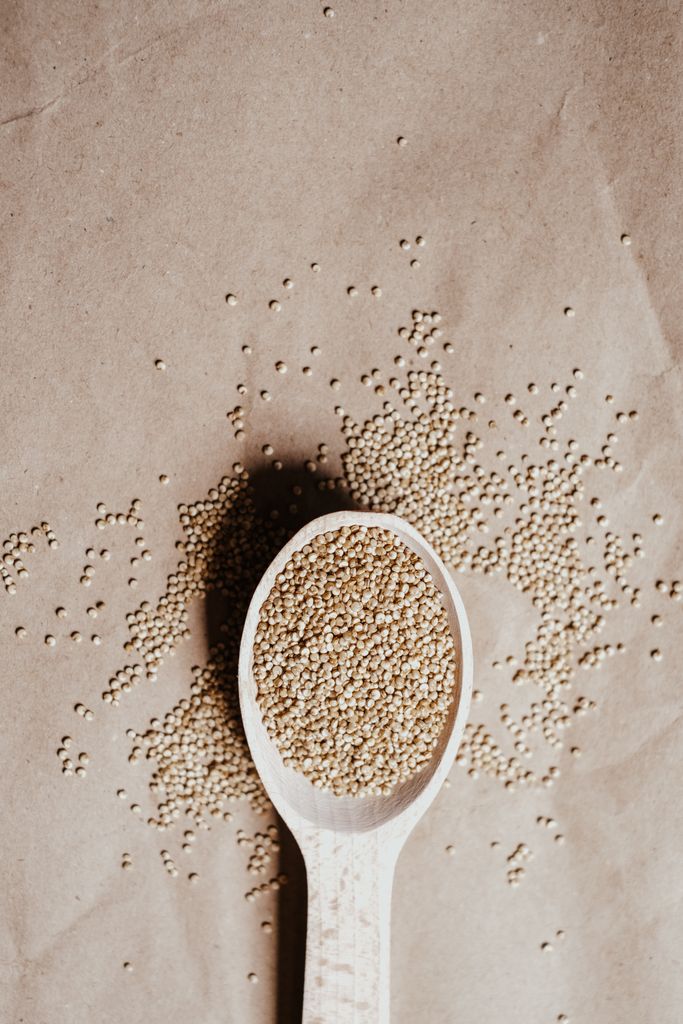
Fonio.
Africa’s agricultural future may depend partly on crops that have received far less research attention, commercial investment and policy support than maize, rice, cowpea, wheat and soybean.
Across the continent, farmers and communities have maintained a rich diversity of food crops, including Bambara groundnut, African yam bean, fonio, indigenous leafy vegetables and numerous traditional roots, tubers and fruits.
Some remain important in local diets and farming systems. Others have become less prominent as agricultural research, commercial processing and food markets increasingly concentrate on a limited number of major crops.
Research is now helping to establish which of these underutilized crops could make a greater contribution to nutrition, climate resilience, soil health and rural enterprise.
Bambara groundnut: A crop with multiple advantages
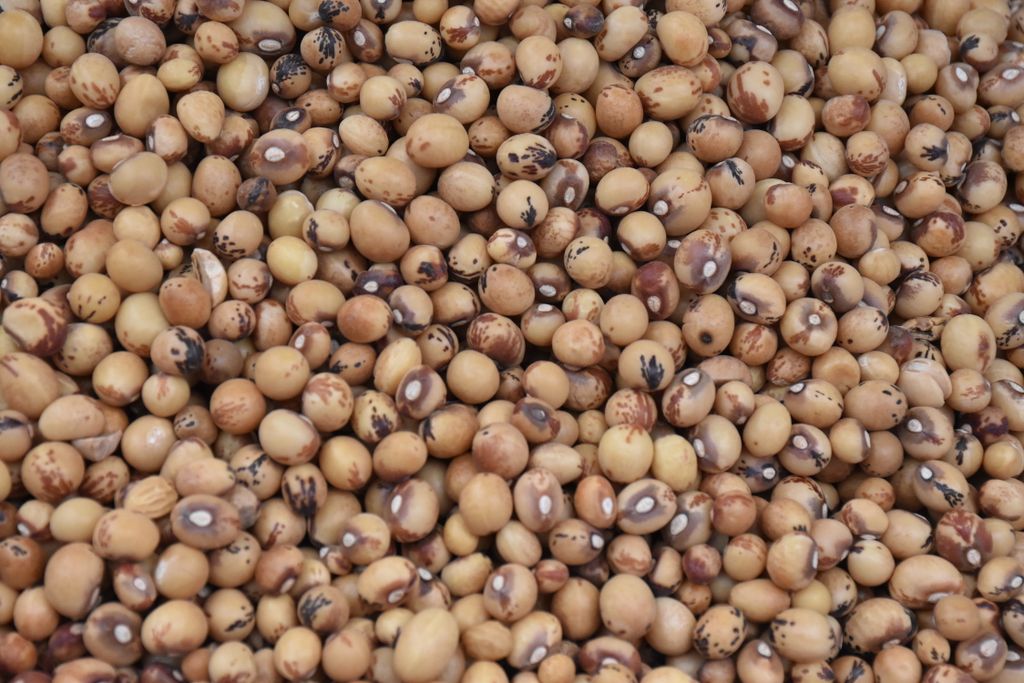
Bambara groundnut.
Bambara groundnut (Vigna subterranea) is an indigenous African legume cultivated in countries like Burkina Faso, Cameroon, Chad, Côte d’Ivoire, Nigeria, Niger, Ghana, Mali, and Togo, particularly in tropical and semi-arid environments.
Bambara groundnut offers a useful case study because its potential spans several research priorities.
First, it is a source of plant protein, carbohydrates, dietary fibre and essential minerals. Second, as a legume, it can fix atmospheric nitrogen through its biological relationship with nitrogen-fixing bacteria, potentially contributing to soil fertility. Third, the crop has characteristics that allow it to grow under some challenging conditions, including relatively poor soils and drought.
A 2020 review in Frontiers in Nutrition examined Bambara groundnut’s potential contribution to food and nutritional security, agricultural sustainability and dietary diversity. It also identified important barriers, including limited resources for research, gaps in agronomic knowledge, insufficient seed systems and inadequate policy incentives.
The research opportunity is to move beyond documenting the crop’s nutritional value towards improving its performance and commercial potential.
From traditional knowledge to modern crop improvement
Research into underutilized legumes increasingly draws on genetic resources, molecular markers, genome sequencing, plant breeding and agronomy.
These can help scientists identify variation in desirable characteristics, develop improved varieties and better understand how different genetic lines respond to drought, pests, diseases and soil conditions.
A 2022 publication on Bambara groundnut breeding potential, involving researchers from IITA and North-West University, examined how molecular markers and next-generation sequencing could support the improvement of this and other underutilized legumes.
This work is particularly relevant because the genetic diversity preserved in traditional crops may contain valuable traits that could otherwise be overlooked or lost.
However, the research agenda must include more than genetics. Scientists also need to address seed multiplication, suitable agronomic practices, harvesting and processing difficulties, food preparation, storage, consumer preferences and market demand.
A crop may be nutritious and resilient yet remain commercially marginal if its seeds are difficult to obtain, its harvest is labour-intensive or markets are unavailable.
Why forgotten crops matter beyond food security
Diversifying agriculture can help reduce dependence on a small number of crops. It can also create opportunities for local food businesses, processors, seed enterprises and markets for products rooted in regional food cultures.
For countries like Cameroon, Mali, Nigeria, or even Togo, this raises important questions about how African yam bean, Bambara groundnut, fonio, indigenous vegetables and other traditional, underutilized crops could become more visible in research programmes, school feeding, food processing and agricultural enterprise.
The discovery here is not that Africa has suddenly acquired new crops. It is that modern science can help unlock the potential of crops that African communities have cultivated and valued for generations.
The next step is to connect research with farmers’ seed access, food markets, processing technology and consumer demand — allowing neglected crops to become viable economic choices rather than simply celebrated heritage foods.
To be continued…