Innovate Today. Nourish Tomorrow: Why the Future of Food Depends on the Choices We Make Now
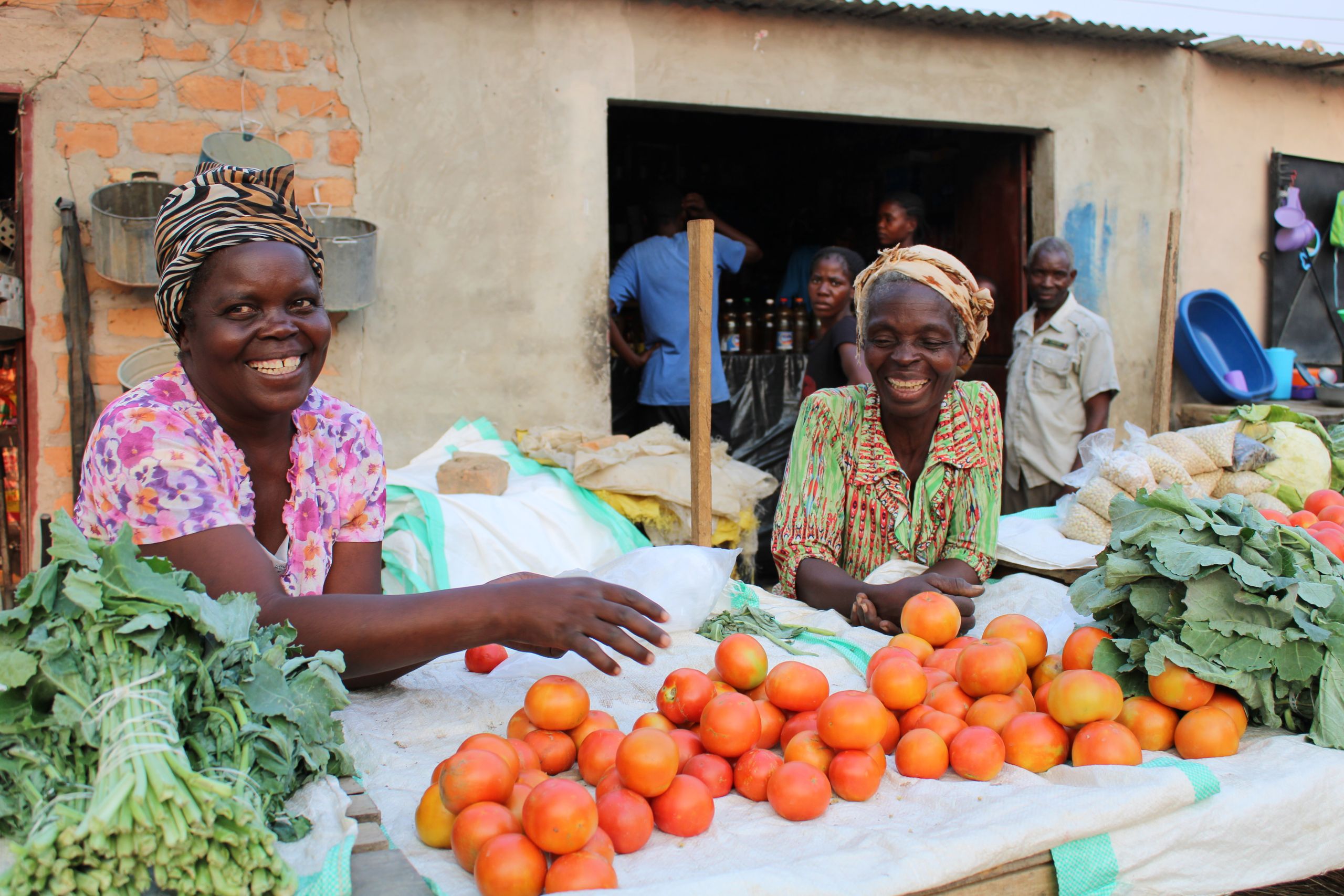
In a world that already produces enough food to feed everyone, hunger remains one of humanity’s greatest contradictions.
Millions of people still struggle to access nutritious diets, while climate change, conflicts, economic shocks, land degradation, and biodiversity loss continue to place unprecedented pressure on food systems worldwide. The challenge is no longer simply producing more food. It is producing food more sustainably, distributing it more equitably, and ensuring it remains accessible and affordable for future generations.
That reality sits at the heart of this year’s World Food Day theme, “Innovate Today. Nourish Tomorrow.” The campaign calls on the world to harness science, technology, innovation, and traditional knowledge to build agrifood systems capable of nourishing people while protecting the planet.
For Africa, where agriculture supports the livelihoods of hundreds of millions of people, the theme is more than a slogan. It is an urgent call to action.
The food security challenge is changing
For decades, discussions about food security focused primarily on increasing agricultural production. Today, the conversation has become far more complex.
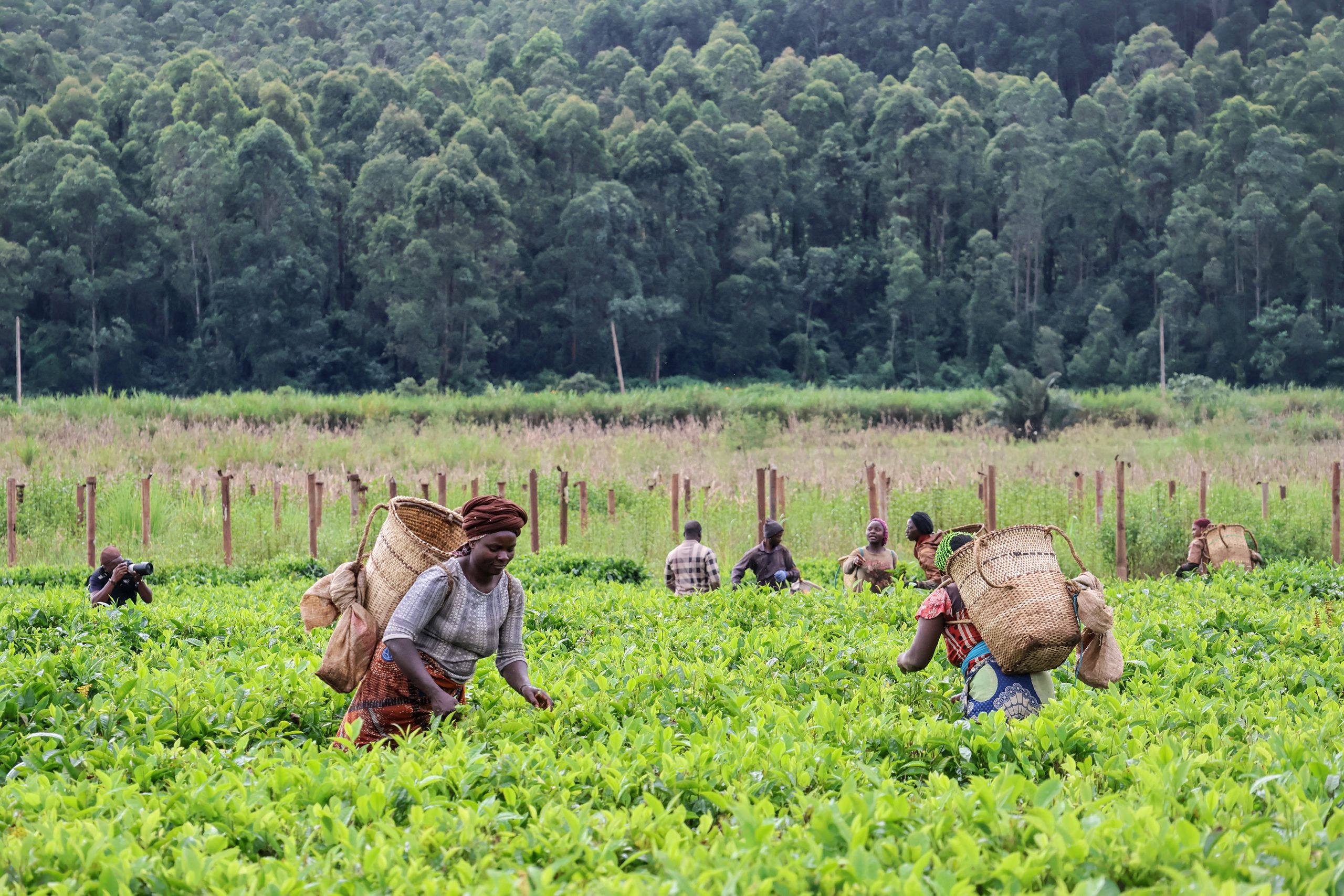
Climate variability is disrupting planting seasons. Pests and diseases continue to threaten crops and livestock. Rapid urbanization is transforming food demand. Meanwhile, growing populations are placing additional pressure on natural resources. Across many regions, food losses during production, storage, transportation, and marketing remain significant barriers to food availability and farmer incomes.
The challenge is not merely growing more food.
It is ensuring that food systems are resilient enough to withstand shocks, inclusive enough to serve smallholder farmers, and sustainable enough to nourish future generations.
Innovation is more than technology
When people hear the word innovation, they often think of artificial intelligence, satellites, robotics, or sophisticated digital tools.
While these technologies are transforming agriculture, the World Food Day theme takes a broader view.
Innovation includes digital advisory services that help farmers make better decisions. It includes improved seed varieties and climate-resilient crops. It includes data systems that help predict weather patterns and pest outbreaks. Yet innovation also includes farmer field schools, indigenous knowledge systems, cooperative business models, and traditional practices that have sustained communities for generations.
The future of food will not be built solely in laboratories or research centers.
It will emerge from the intersection of science and lived experience, where cutting-edge research meets centuries-old knowledge passed through farming communities.
Africa’s opportunity
Few regions have as much to gain from agrifood innovation as Africa.
The continent possesses approximately 60 percent of the world’s uncultivated arable land, a rapidly growing youth population, expanding digital connectivity, and a vibrant ecosystem of researchers, entrepreneurs, farmers, and development partners working to transform food systems.
Across the continent, innovations are already demonstrating what is possible.
Digital platforms are connecting farmers to markets and extension services. Mobile technologies are helping producers access weather forecasts and financial services. Improved crop varieties are enabling farmers to cope with drought, pests, and changing climatic conditions. Researchers are working on solutions that increase productivity while reducing environmental impacts.
At the same time, communities continue to adapt traditional farming knowledge to modern realities, preserving biodiversity and strengthening resilience. This blend of old and new is precisely what the World Food Day campaign seeks to promote.
Why smallholder farmers must be at the center
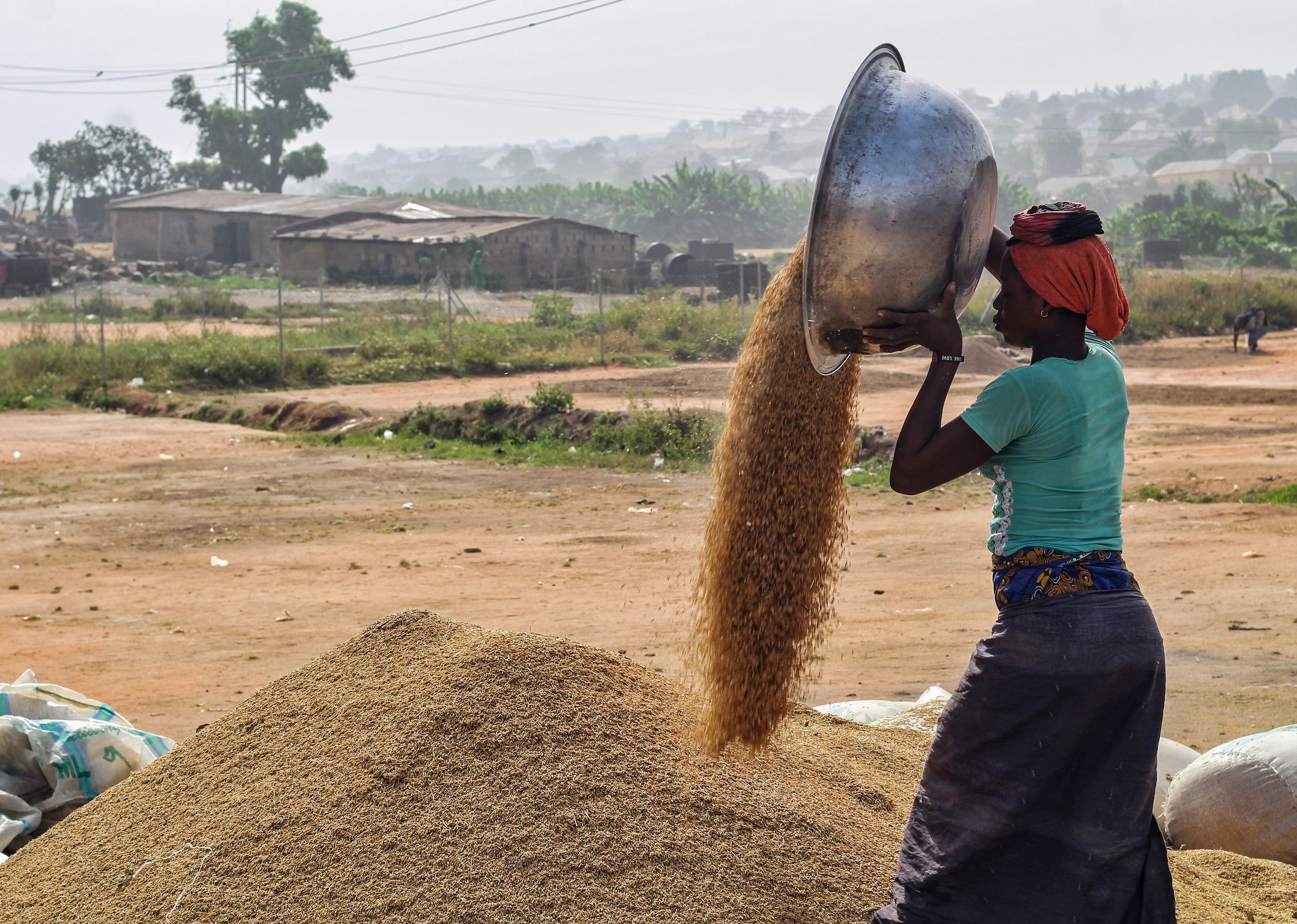
Innovation cannot succeed if it leaves farmers behind. Smallholder farmers produce a significant share of the food consumed across Africa, yet many continue to face limited access to inputs, financing, mechanization, insurance, market information, and extension services.
For innovation to transform food systems, it must be accessible, practical, and affordable. A digital tool that farmers cannot use is not innovation. A new technology that excludes women or youth is not innovation. A solution that increases yields but damages ecosystems ultimately undermines long-term food security.
Inclusive innovation must therefore focus not only on productivity but also on equity, sustainability, and resilience.
The role of science
Scientific research remains one of humanity’s most powerful weapons against hunger.
Around the world, researchers are developing climate-smart farming practices, disease-resistant crop varieties, sustainable pest management approaches, improved livestock systems, and nutrition-sensitive innovations that enhance both food production and human health.
Organizations across the CGIAR system and their partners continue to generate evidence-based solutions designed to address some of agriculture’s most pressing challenges, from climate adaptation to soil health and food system resilience. As highlighted in CGIAR’s World Food Day message, the decisions and innovations of today will determine how effectively the world can feed future generations.
Yet science alone is not enough.
Research must be translated into policies, investments, business opportunities, and farmer-centered solutions that create measurable impact on the ground.
The climate connection
No conversation about the future of food can ignore climate change.
Agriculture is both vulnerable to climate impacts and central to building resilience.
Extreme heat, prolonged droughts, flooding, shifting rainfall patterns, and emerging pests are affecting agricultural productivity worldwide. These pressures are particularly acute for rain-fed farming systems that dominate much of Sub-Saharan Africa.
Innovation offers pathways forward.
Climate-smart agriculture, improved forecasting, water-efficient production systems, resilient crop varieties, regenerative farming practices, and nature-based solutions can help producers adapt while protecting natural resources.
The goal is not simply to survive future shocks but to build food systems capable of thriving despite them.
Youth are not just the future. They are the present.
One of the most compelling aspects of the World Food Day campaign is its emphasis on the next generation.
Young people are increasingly driving innovation throughout the food system, developing agricultural technologies, launching agribusinesses, creating digital solutions, and reimagining how food is produced, processed, marketed, and consumed.
For Africa, where the majority of the population is under 25, empowering youth is not optional.
It is essential.
Investments in agricultural entrepreneurship, skills development, digital literacy, research, and innovation ecosystems will determine whether the continent can fully realize its food systems potential.
The bigger question: What kind of future do we want?
The World Food Day theme ultimately asks a profound question.
What does innovation mean if it does not reduce hunger?
What does progress mean if nutritious food remains beyond the reach of billions?
What does technological advancement mean if ecosystems continue to degrade?
According to World Food Day 2026 campaign materials, innovation must be harnessed not simply to increase production but to create agrifood systems that are more inclusive, resilient, and sustainable. The objective is to ensure access to sufficient, diverse, safe, and nutritious food while safeguarding resources for future generations.
That vision demands collaboration from governments, researchers, farmers, businesses, development organizations, investors, and consumers alike.
A call to action
World Food Day is not only a celebration.
It is a reminder of our shared responsibility.
Whether through supporting agricultural research, reducing food loss and waste, investing in sustainable farming, empowering youth, strengthening local food systems, or advocating for policies that improve food security, everyone has a role to play.
Innovation is not confined to laboratories or boardrooms.
It can begin in a farmer’s field, a community garden, a start-up hub, a research station, a marketplace, a classroom, or even around a family dinner table.
The future of food will not be determined tomorrow.
It is being shaped today.
And if we choose wisely, innovate inclusively, and act collectively, we can build a future where everyone has access to safe, nutritious, and affordable food while protecting the planet that sustains us all.
Innovate today. Nourish tomorrow. The future starts now.